01
Pablo Picasso
Fractured conventional perspectives through Cubism.
Pictures
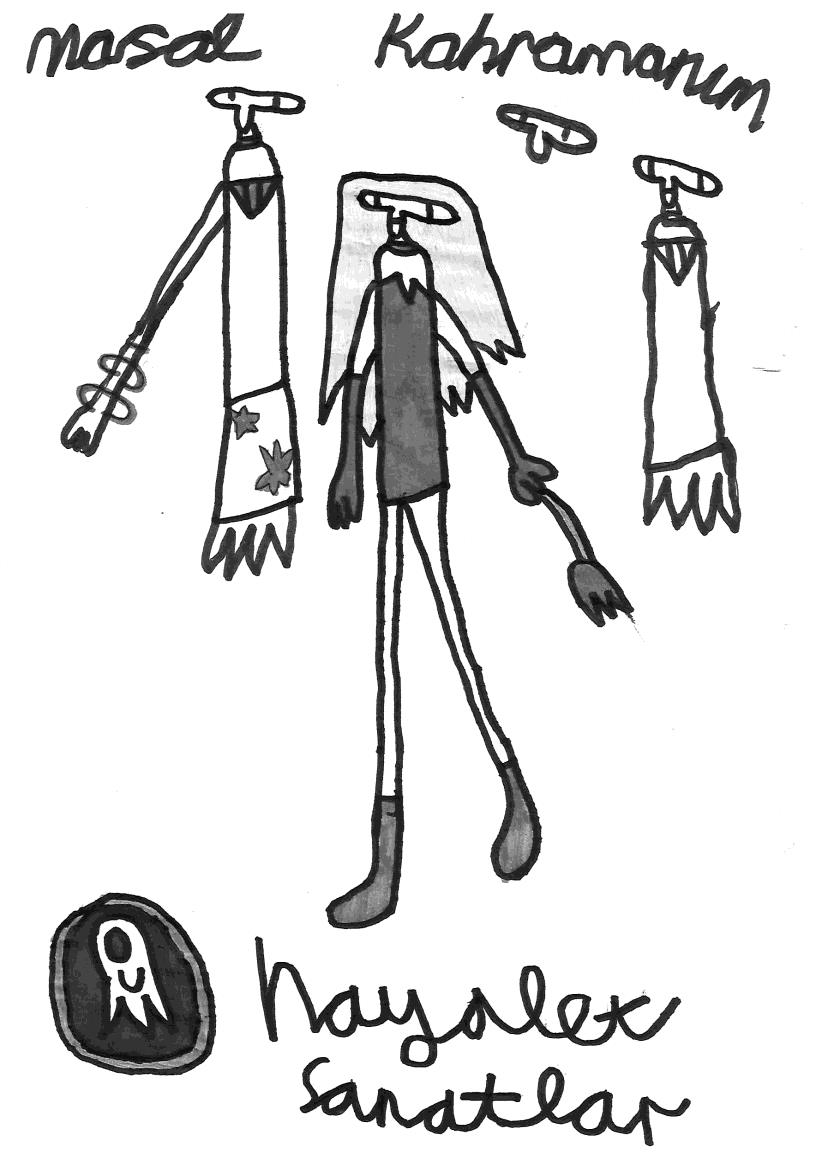
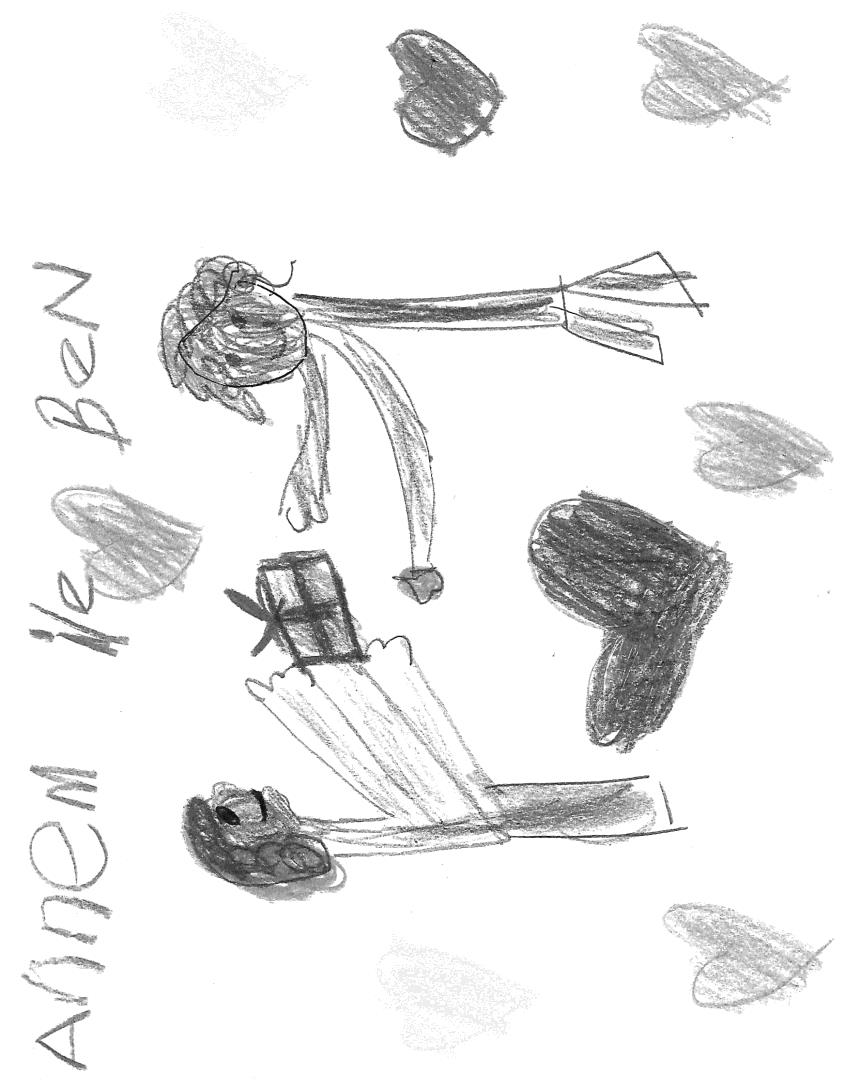
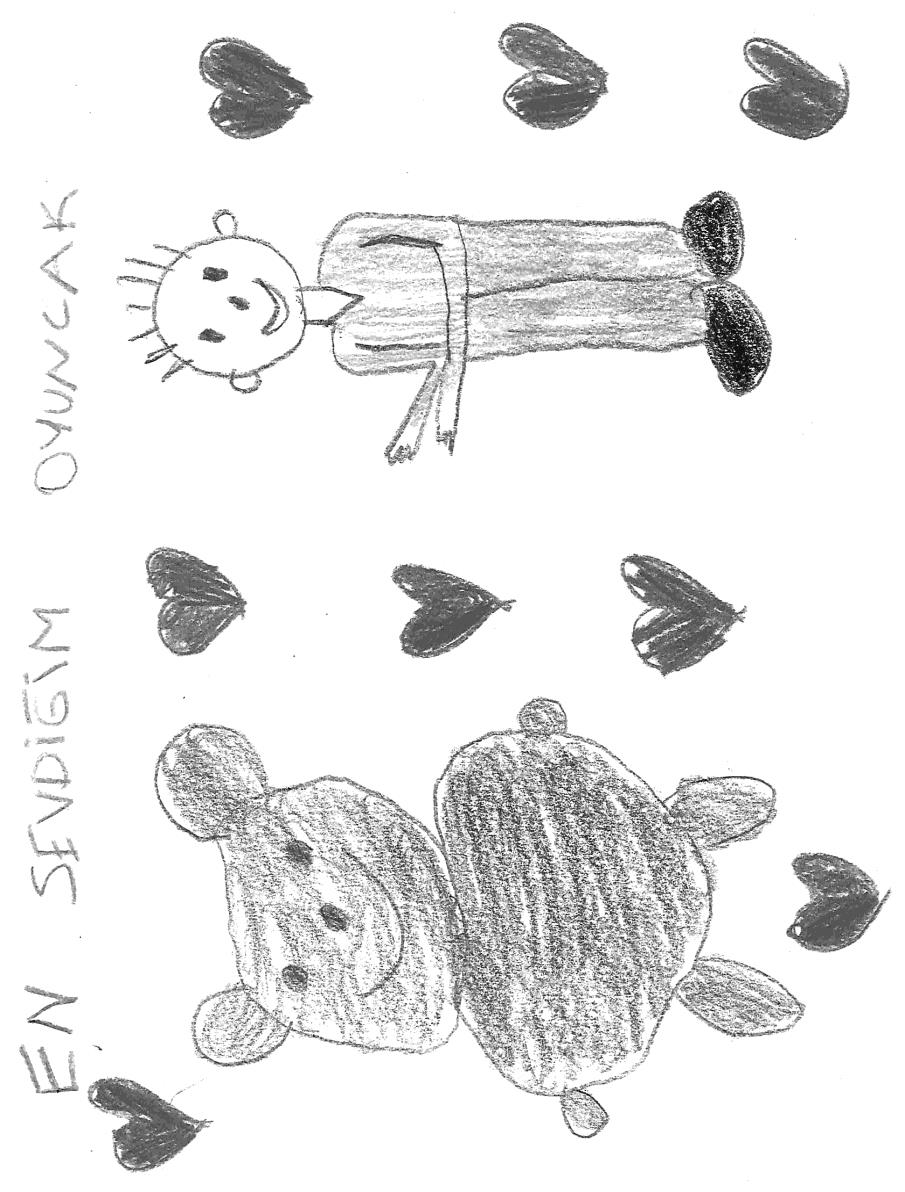
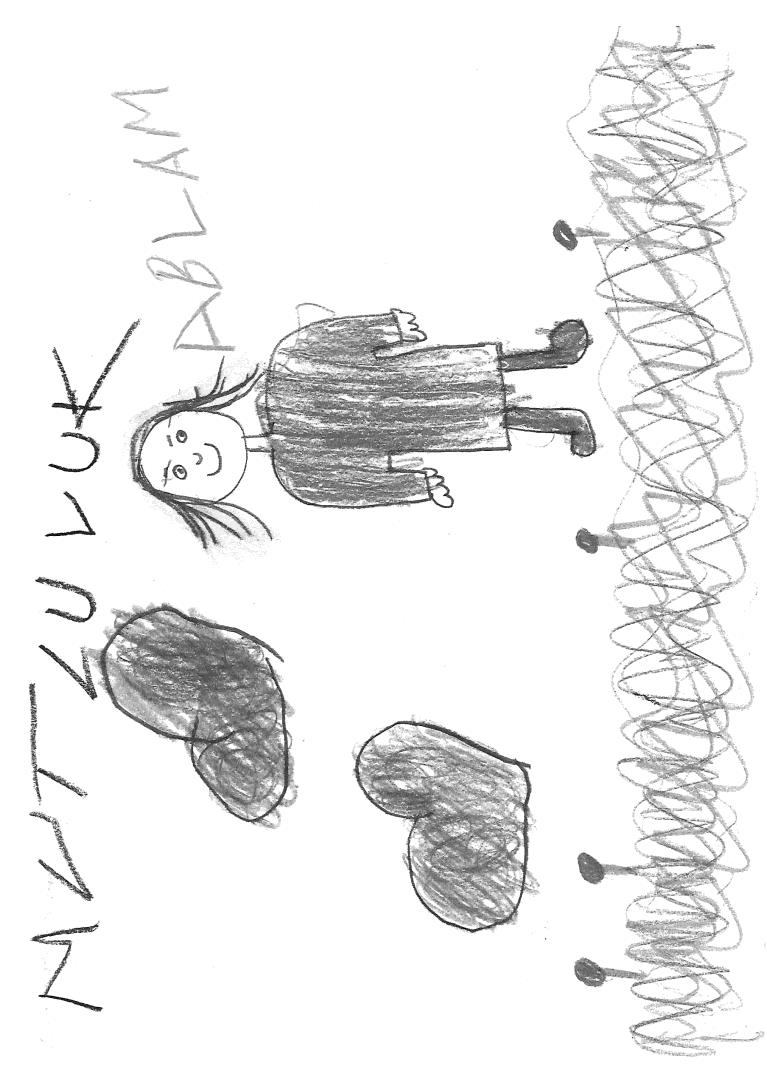
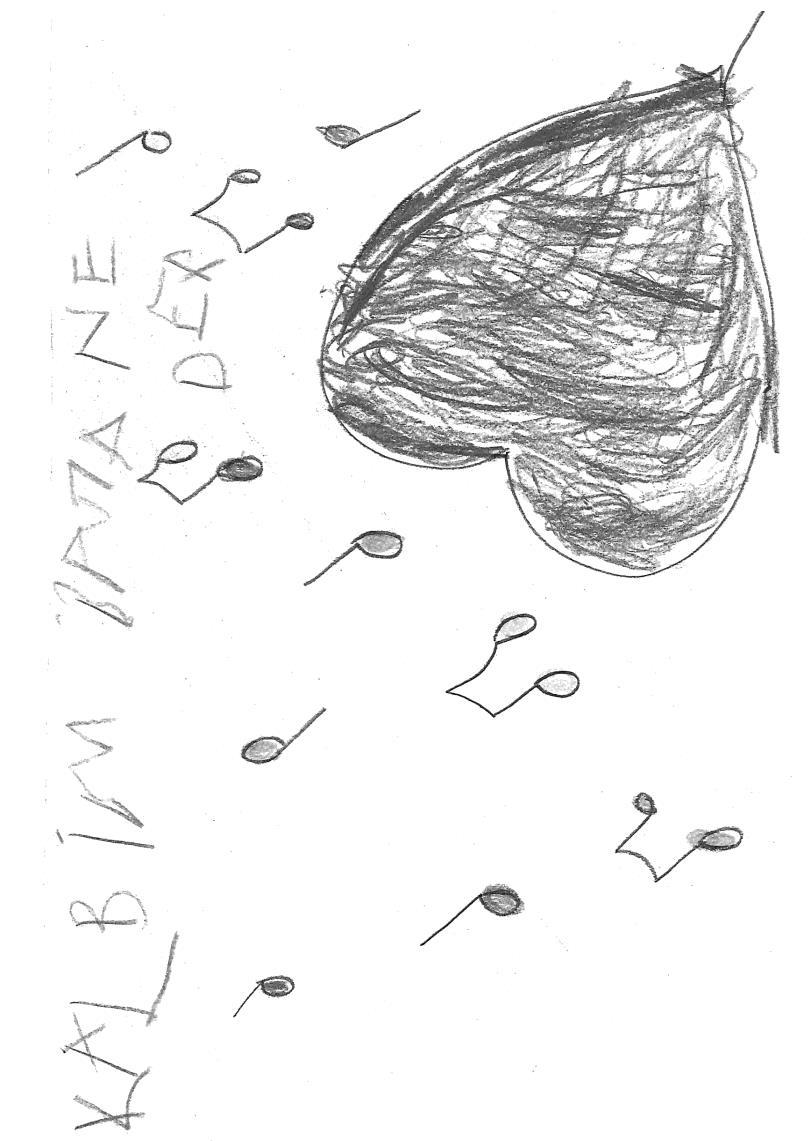
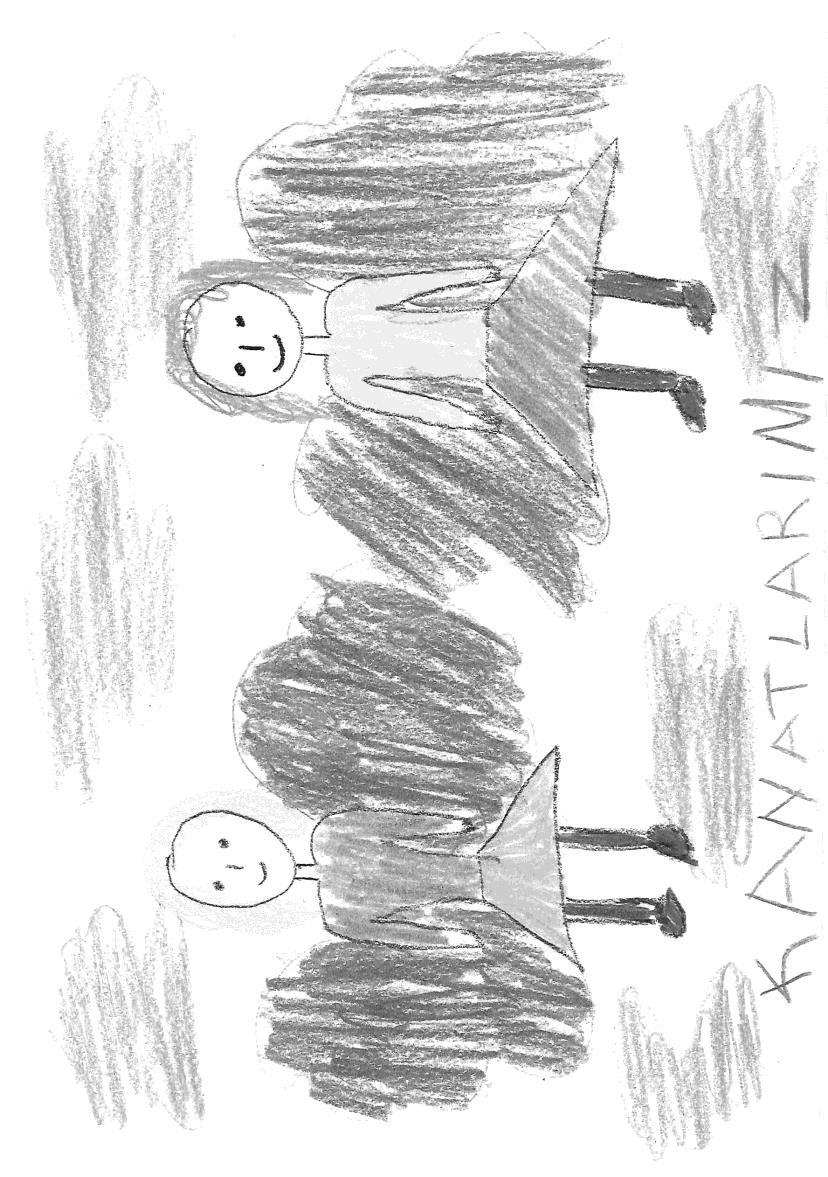
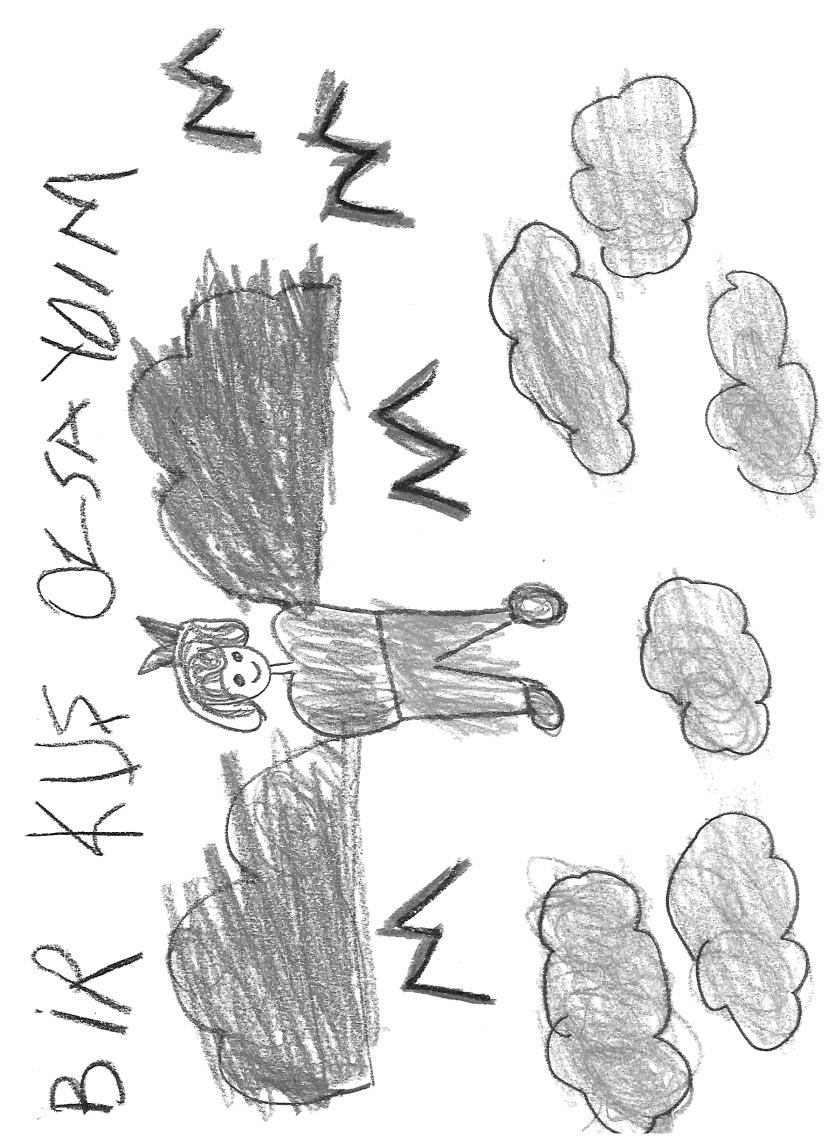
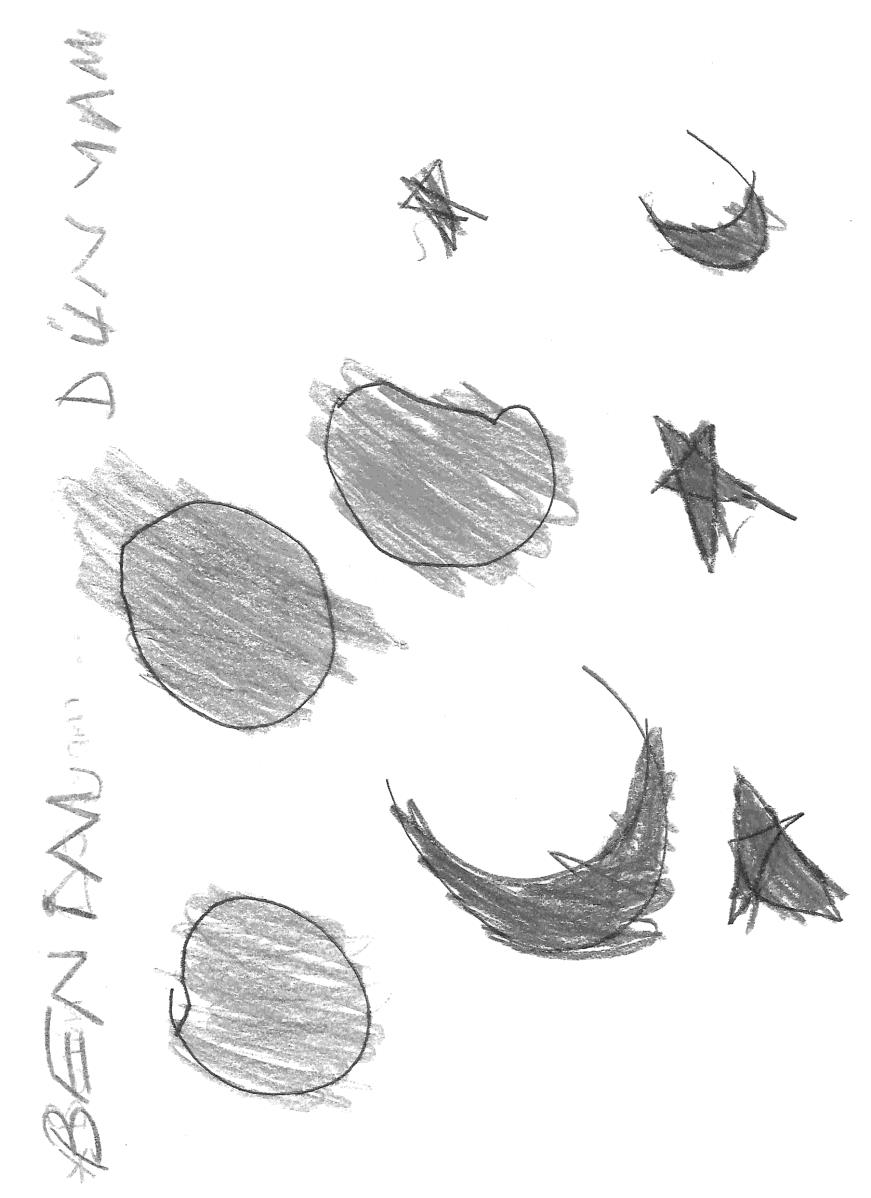
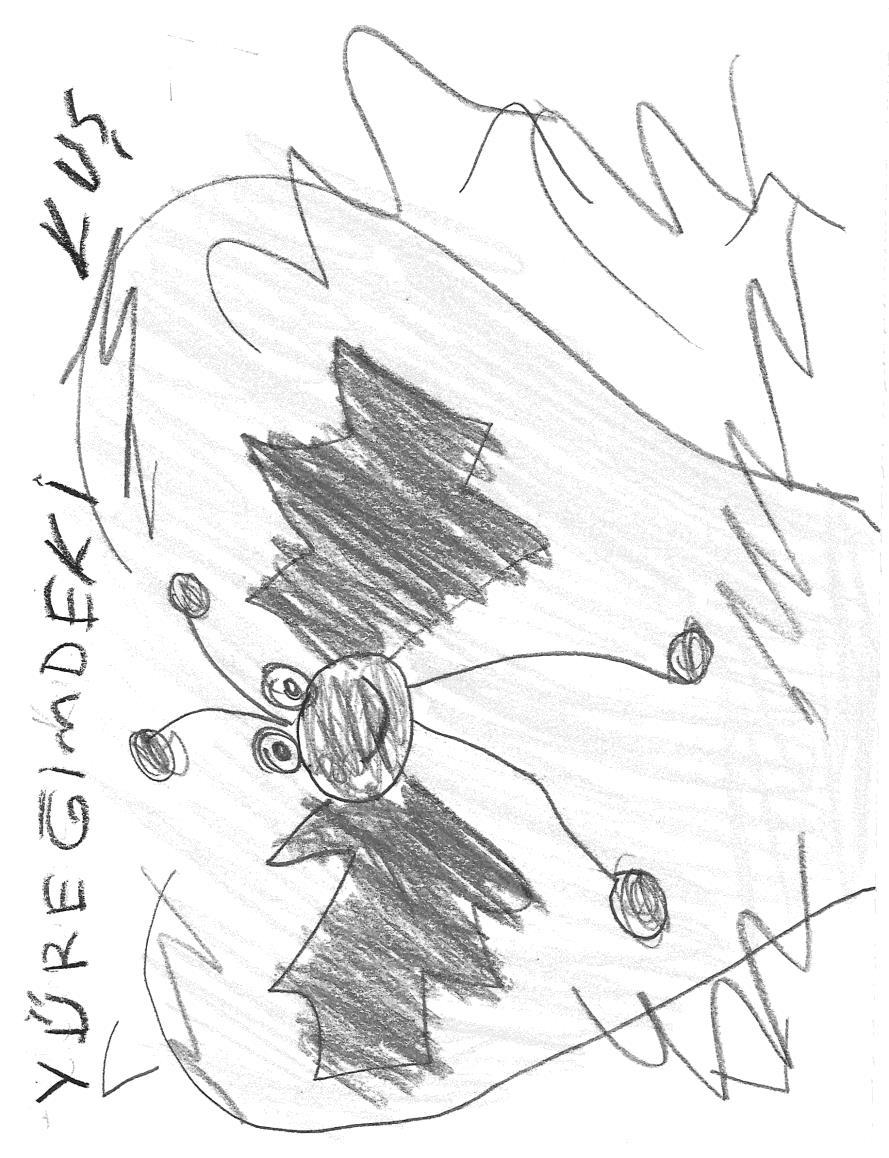
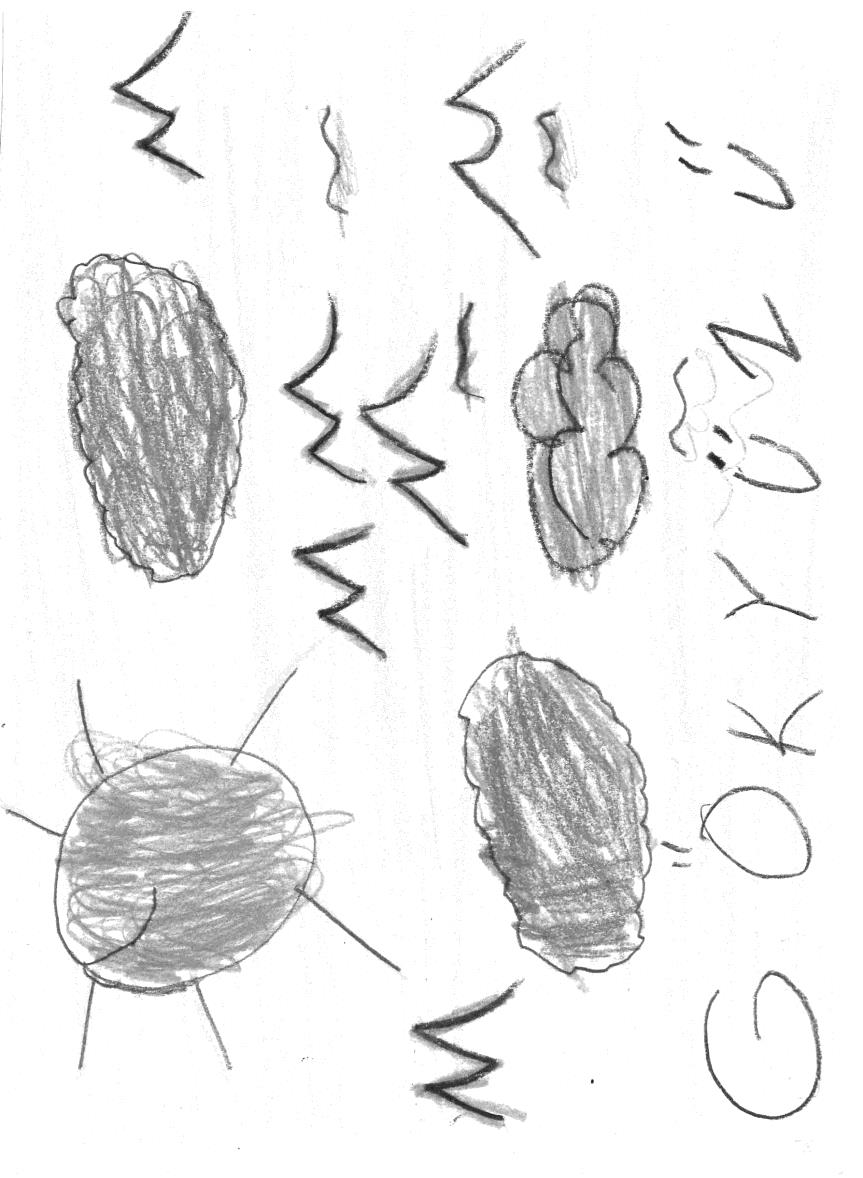
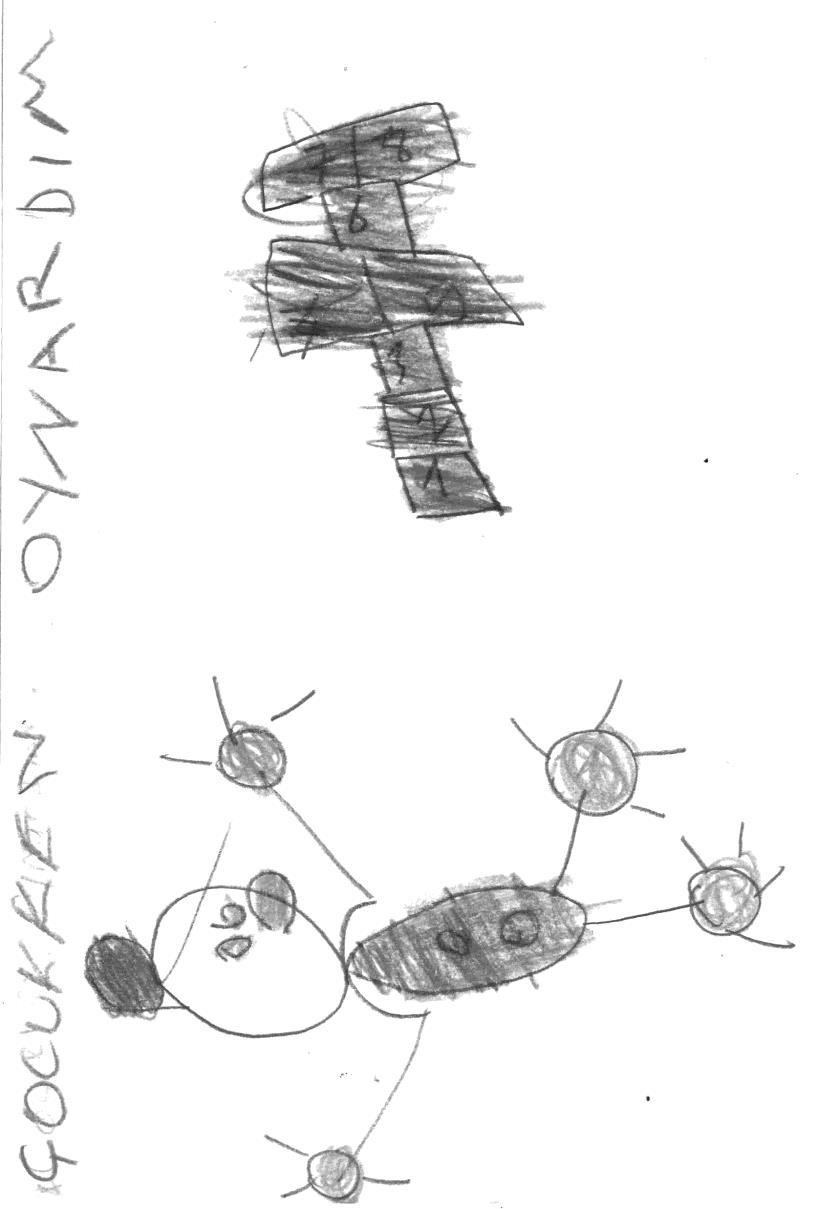
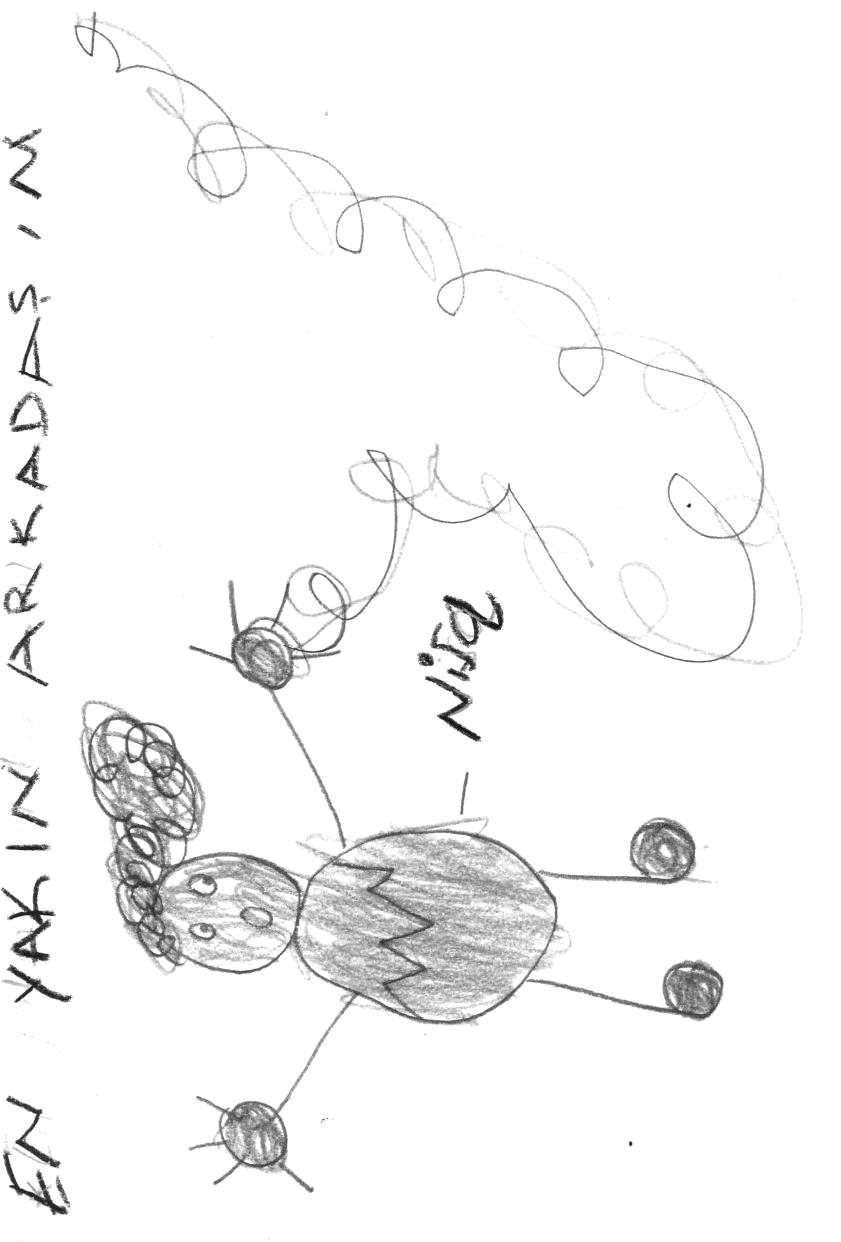
Some minds do not think in words first. Autistic children often draw what words cannot carry — a feeling, a question, a whole world — starting from a single word. This page gathers those drawings: pictures made through words, by children who show us that connection does not always begin with language.
“I think in pictures. Words are like a second language to me.”
Grandin, a scientist and one of the most well-known autistic voices in the world, describes her mind as a library of images: when she hears a word, she does not hear it — she sees it. For her, spoken and written words must be translated into pictures before they mean anything. The drawings below come from children who work the same way: the word arrives first, and the picture carries it the rest of the way.
Each drawing in this gallery began as a word — and came back as a picture. These works were drawn by autistic children aged 8–12 at the Yaşam Atölyesi Special Education and Rehabilitation Centre, and appear in the “Çizilmiş Kelimeler” (Drawn Words) chapter of Belmin Dumlu Savaskan’s book Kanatlarımızda Gökyüzü. Each hangs here with the title its young artist gave it.
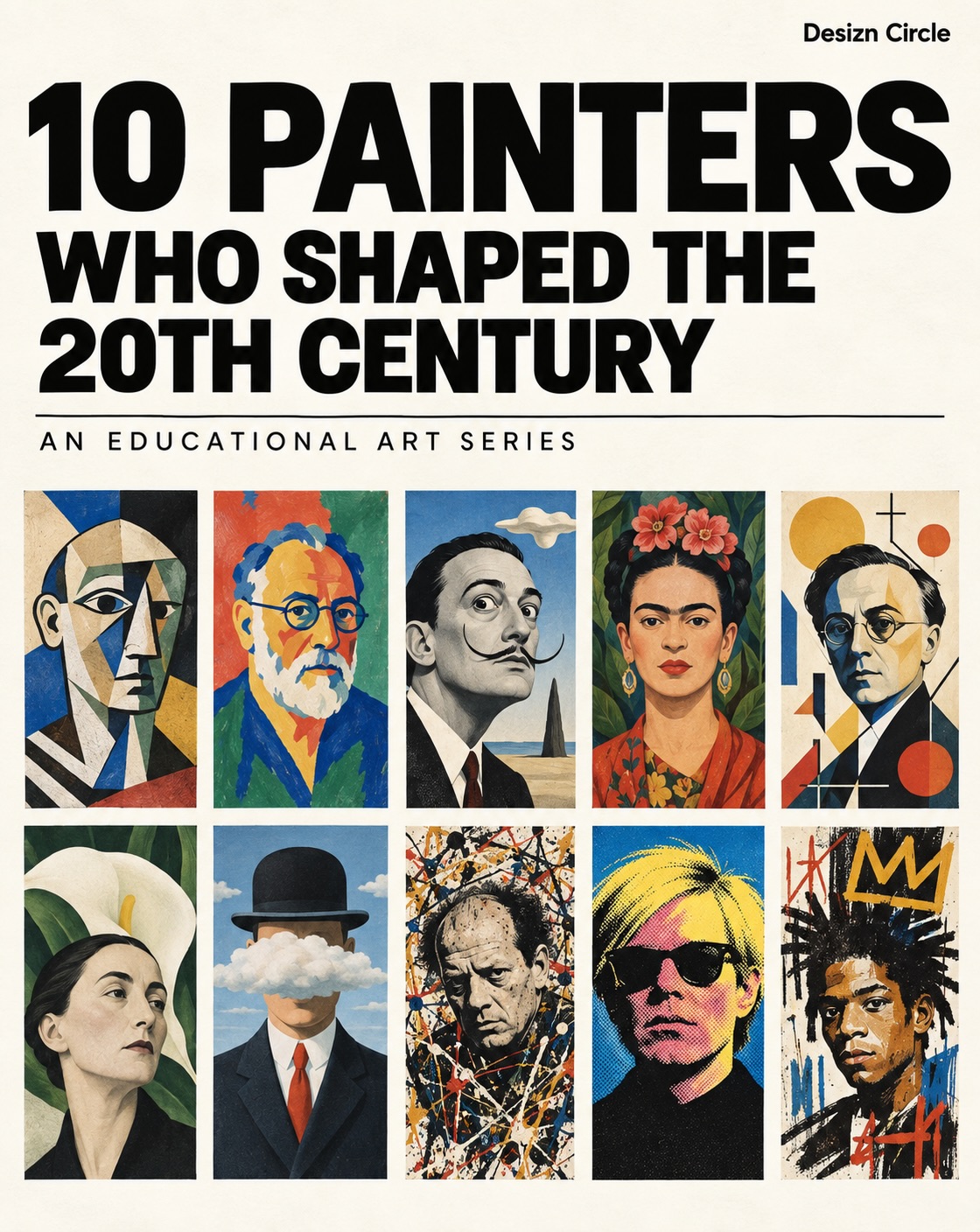
The 20th century transformed the meaning of art: painters moved beyond realistic representation to explore emotion, identity, dreams, abstraction and popular culture. This shelf — adapted from an educational series by Desizn Circle — gathers ten who helped redefine visual culture. Painting is not one technique or aesthetic; it can question reality, carry emotion and change how we see the world.
01
Fractured conventional perspectives through Cubism.
02
Created freedom and emotion through expressive colour.
03
Transformed dreams and the subconscious into surreal worlds.
04
Painted powerful stories of identity, pain and resilience.
05
Explored colour and form as a visual language of emotion.
06
Found monumentality in flowers, landscapes and natural forms.
07
Challenged reality through mysterious, thought-provoking images.
08
Turned movement and spontaneity into Abstract Expressionism.
09
Blurred the boundaries between art, advertising and popular culture.
10
Combined raw expression, identity, anatomy and social commentary.
If a word becomes a picture in your mind too — a colour, a shape, a place — the salon would love to hear what you see.